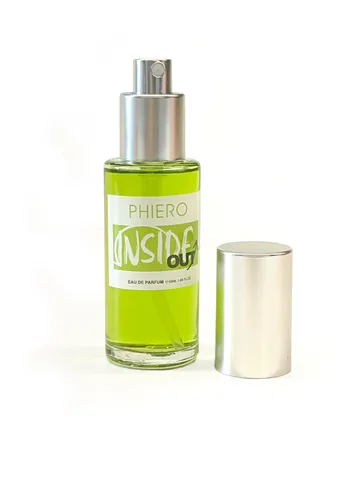
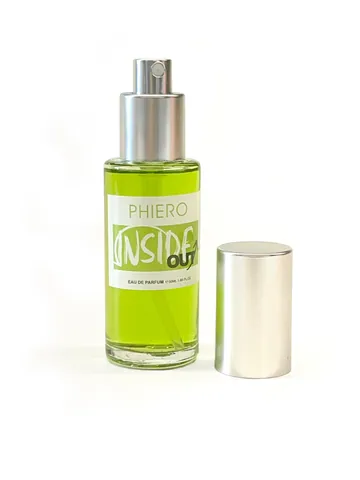
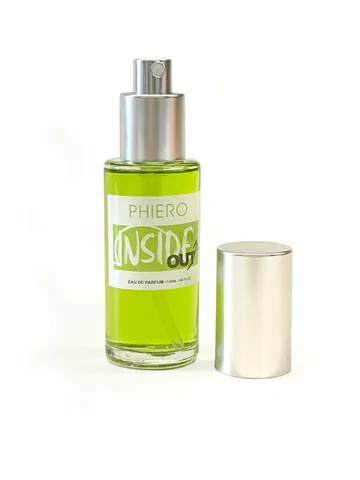
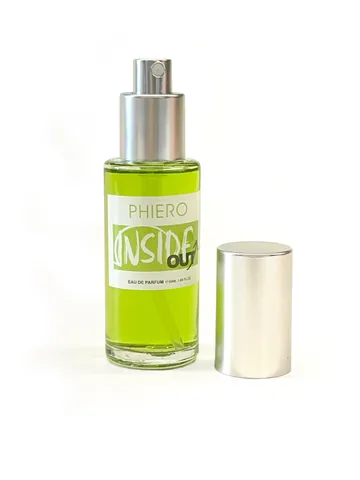
Pheromone perfumes: what they are and what science really says
Pheromones work clearly in many animals, but in humans the story is far more complicated. Here is what is known, what is not, and what to expect from a pheromone perfume.
Pheromone perfumes stir up plenty of curiosity. The idea is appealing: a scent that, almost without anyone noticing, makes you come across as more interesting. But how much truth is there to it? To answer honestly, we need to separate what is known about pheromones in animals from what has actually been shown in humans, which is a good deal less than sometimes claimed.
What pheromones are
Pheromones are chemical substances that an individual releases into the environment, triggering a specific response in other individuals of the same species. That response can be a behaviour, such as approaching, fleeing or following a trail, or a physiological change.
The term was coined in the late 1950s, after identifying the substance that female silk moths use to attract males from great distances. Since then, pheromones have been described in a huge number of species.
How they work in animals
The animal kingdom offers very clear examples:
- Insects: ants mark chemical trails to food, and bees use chemical signals to organise the hive or warn of danger.
- Mammals: in pigs, a substance found in the male's saliva makes the female adopt the mating posture. The effect is so reliable that it is used on farms.
- Rodents: mice can detect information about another mouse's sex, condition and identity through its urine.
Many mammals pick up these signals through the vomeronasal organ, a specialised structure in the nose connected to brain areas that regulate social and reproductive behaviour.
And in humans, what do we actually know?
Here the honest answer is that the evidence is limited and contradictory. To date, no human pheromone has been conclusively identified that works the way pheromones do in animals.
Several reasons explain why:
- In adults, the vomeronasal organ is rudimentary and is thought to be non-functional.
- Most of the genes that code for pheromone receptors in other mammals are non-functional in our species.
- Human behaviour depends on a huge number of factors: culture, learning, context, personality, past experience. Isolating the effect of a single substance is very difficult.
The most studied molecules
Some substances derived from sex hormones, such as androstadienone and estratetraenol, have been proposed as possible human pheromones. Some studies suggest they might slightly influence mood or certain physiological responses. However, others have found no effect at all, and many studies have been carried out with few participants and methods that have been criticised. Several scientific reviews conclude there is no solid evidence that these molecules act as pheromones.
Popular ideas that have not been confirmed
One of the best-known ideas is that women who live together end up synchronising their menstrual cycles through chemical signals. Later studies have failed to confirm this consistently, and today it is considered, at best, doubtful.
What does seem to matter: body odour
Just because no human pheromone has been proven does not mean smell plays no part in relationships. Each person's body odour is unique and can influence whether someone seems pleasant to us or not. Some studies have suggested that scent might carry information about things like the immune system or emotional state, though the results are not conclusive.
It has also been observed that newborns recognise their mother's smell and turn towards it. All of this suggests that chemical communication does exist to some extent in humans, though it is far more subtle and complex than in insects or pigs.
So, do pheromone perfumes work?
With what is known today, there is no solid evidence that a pheromone perfume triggers attraction in other people by itself. Any product that promises "no one will be able to resist you" is overselling.
That does not mean wearing this kind of perfume makes no sense at all. There are more everyday effects that can work in your favour:
- Confidence: feeling good about your scent can make you more self-assured, and that shows in how you interact with others.
- Smelling good: a pleasant, well-applied perfume usually makes a better impression than wearing nothing at all, or far too much.
- Part of a ritual: getting ready for a date or a special night also affects your mood.
The sensible approach is to see it as just another perfume, with an element of fun and self-confidence, rather than a seduction formula. And of course, no scent replaces respect, communication and consent in any relationship.
Tips for using a pheromone perfume
- Apply it to clean skin, on areas where body heat helps the scent spread, such as the neck, wrists or behind the ears.
- Use it in moderation. One or two sprays are usually enough. Too much perfume can be unpleasant for people around you.
- Do not rub your wrists together after applying it, so as not to disrupt how the scent develops.
- Do a patch test on a small area of skin if it is sensitive or you have had allergies to perfumes before.
- Avoid contact with your eyes and mucous membranes, and do not apply it to irritated skin or open wounds.
- Store it somewhere cool and away from light so the scent keeps well.
If you notice redness, itching or any skin reaction, stop using it and check with your pharmacist or doctor.
Realistic expectations, real enjoyment
The science of human pheromones is still an open question, and new discoveries may well emerge in the future. In the meantime, the most honest approach is to enjoy these perfumes for what they are: a scent you like that makes you feel good, without expecting magic effects.
In our pheromones category you will find a range of fragrances so you can choose the one that best suits your style. Pick the one that makes you feel most comfortable in your own skin.