Electrostimulation at home (TENS and EMS): uses and precautions
Electrostimulation devices have become very popular for home use. Here is the difference between TENS and EMS, what they can be useful for, and when you should not use them.
Electrostimulation devices have moved from physiotherapy clinics into many homes. They are small, easy to use and sold with all sorts of promises: relieving pain, relaxing the back or toning muscles. But they do not all do the same thing, and using them properly means knowing a few basic precautions first.
What electrostimulation is
Electrostimulation involves applying small electrical impulses through electrodes placed on the skin. Depending on the characteristics of those impulses, the aim is either to stimulate sensory nerves or to make a muscle contract.
Home use mostly involves two types:
- TENS (transcutaneous electrical nerve stimulation): aimed at relieving pain.
- EMS (electrical muscle stimulation): aimed at triggering muscle contractions.
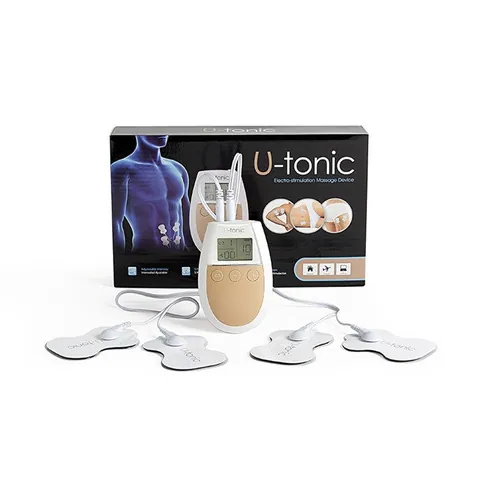
Many devices combine both modes, along with massage programmes.
TENS: electrostimulation for pain
TENS produces a tingling sensation in the area. One of the most widely accepted explanations is that this stimulation interferes with the transmission of pain signals to the brain. It has also been suggested that it may encourage the release of the body's own natural painkillers.
It is often used as a complement for muscle aches, back pain, neck pain or period pain. The scientific evidence varies: some studies suggest relief for certain types of pain, while others find no clear difference. What it does have going for it is that, used properly, it tends to be a safe technique with no medication involved.
It is important to understand that TENS eases the sensation of pain, but does not treat its cause. Pain of unknown origin should be assessed by a professional first.
EMS: muscle electrostimulation
EMS produces muscle contractions similar to voluntary ones. In clinical settings it is used in rehabilitation, for example to prevent muscle loss after an injury or a period of immobilisation.
At home, its role is more limited. A few things are worth keeping in mind:
- It does not replace exercise. It can be a complement, but it does not offer the cardiovascular benefits or coordination that real movement gives.
- It does not remove localised fat. Contracting the abdominal muscle does not make the fat on top of it disappear.
- Relaxation or massage programmes can feel pleasant after physical effort, like any other type of massage.
How to use an electrostimulation device
Before you start
- Read the full manual. Each device has its own programmes, timings and instructions.
- Check that the device carries CE marking and, if it is presented as a pain-relief device, that it complies with medical device regulations.
- Check that the cables and electrodes are in good condition.
Placing the electrodes
- Place the electrodes on clean, dry skin, with no cream or oil.
- Do not place them over wounds, recent scars, irritated skin, moles or areas with eczema.
- Turn the device on after placing the electrodes and turn it off before removing them.
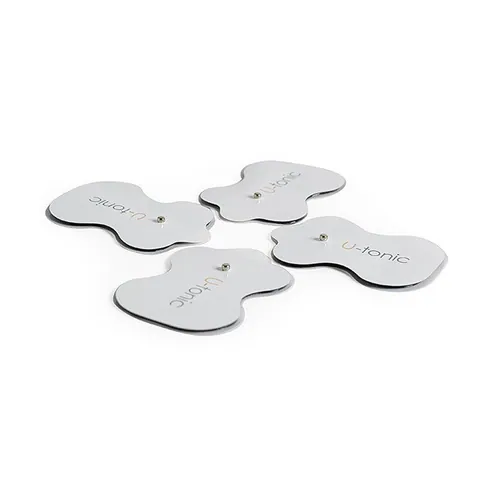
- Electrodes are for personal use. Store them with their protective cover to keep the adhesive intact, and replace them once they stop sticking well.
Intensity and duration
Always start at the lowest intensity and increase it gradually. Keep in mind that sensitivity changes from one day to the next and between different areas of the body, so do not assume the level from your last session is the right one. If after a few minutes you get used to the tingling, you can increase it by one level, but never to the point of feeling discomfort. The sensation should be a comfortable tingling or contraction, never painful. Stick to the session time recommended by the manufacturer and let the area rest between sessions.
Contraindications: when not to use it
Electrostimulation is not for everyone. You should not use it, unless a doctor specifically tells you to, if:
- You have a pacemaker, an implanted defibrillator or another electronic device in your body.
- You have heart disease or arrhythmias.
- You have epilepsy.
- You are pregnant, especially over the abdomen, lower back and pelvis.
- You have, or suspect, a venous thrombosis.
- You have cancer or are undergoing treatment, especially in the affected area.
- There is an infection, an acute inflammation or a wound in the area.
- You have altered skin sensitivity in the area of application.
There are also areas where electrodes should never be placed:
- The front and side of the neck.
- The head, face and eyes.
- The chest in a way that lets current cross the thorax, for example with one electrode in front and one behind.
- The genitals.
Other common-sense precautions
Besides the contraindications, it is worth bearing in mind some practical rules every time you use the device:
- Do not use it while driving, operating machinery or sleeping.
- Do not use it in the shower, the bath or very humid environments.
- Keep it out of children's reach.
- Stop the session if you feel pain, dizziness, palpitations or skin irritation.
When to check with a professional first
Talk to your doctor or physiotherapist before using electrostimulation if you have persistent or unexplained pain, if you are recovering from an injury or surgery, if you have a chronic condition, or if you take medication that affects sensitivity. A professional can tell you whether it is suitable for you, which programme to use and where to place the electrodes.
A useful tool when used well
Used properly, electrostimulation can be a convenient way to relax the muscles or ease occasional discomfort. The key is having realistic expectations, respecting the contraindications and not using it to mask pain that needs a proper diagnosis.
In our massage category you will find devices for home use. Before choosing one, check its instructions and, if you are unsure about your own situation, check with your doctor or physiotherapist.