Collagen and skin care from your 30s onwards
From your 30s onwards, skin starts to show the passing of time. Here is the role collagen plays, what the evidence says about supplements, and which habits make the biggest difference.
Around the age of 30, many people start to notice small changes in their skin: the first fine lines, slightly less glow, or a different texture. It is a natural, gradual process, and collagen has a lot to do with it. Understanding what it is and what affects it helps you choose your skincare better and avoid getting swept up in exaggerated promises.
What collagen is
Collagen is the most abundant protein in the body. It is found in skin, bones, tendons, cartilage and blood vessels. In the skin it sits mainly in the dermis, the layer beneath the surface, where it forms a kind of network that gives firmness and strength.
Along with other fibres, such as elastin, and substances that hold onto water, such as hyaluronic acid, collagen is what keeps skin looking smooth and able to bounce back into shape.
Why it decreases with age
Over the years, the body produces less collagen, and the collagen it has gradually deteriorates. It is a slow process that starts in young adulthood and progresses gradually. That is why the changes do not appear overnight.
Besides the passage of time, some factors speed up this loss:
- Sun exposure: ultraviolet radiation is the main external factor in skin ageing. It damages collagen fibres and encourages wrinkles and spots.
- Smoking: reduces the oxygen supply to the skin and is linked to premature skin ageing.
- Excess sugar: can encourage a process called glycation, which makes collagen fibres stiffer.
- Lack of sleep and ongoing stress.
- Environmental pollution.
Collagen supplements: what is known
Collagen supplements usually contain hydrolysed collagen, meaning it has been broken down into smaller peptides to make it easier to absorb. Once swallowed, the body digests it like any other protein, into peptides and amino acids.
Some studies suggest that taking hydrolysed collagen consistently could improve things like skin hydration or elasticity. However, a few things are worth bearing in mind:
- The studies vary widely from one another in dose, duration and type of collagen used.
- Some of the research is funded by manufacturers.
- The results, when they appear, tend to be modest.
- There is no guarantee it will work the same way for everyone.
A supplement can be a useful addition within a skincare routine, but it does not make up for missing sun protection or poor habits. The body also needs vitamin C to make its own collagen, so a diet rich in fruit and vegetables is essential.
What about collagen creams?
Collagen applied as a cream is too large a molecule to reach the dermis. That does not mean it is useless: it works as a good moisturiser, forms a film over the skin and improves how it feels. But it does not replace the collagen the skin loses. If you are looking to boost collagen production from outside, there are other ingredients with more evidence behind them.
A simple routine from your 30s onwards
You do not need ten products. A basic, consistent routine usually works better than lots of creams used now and then.
In the morning
- Gentle cleansing with a product that does not leave skin feeling tight.
- Antioxidant, such as a vitamin C serum, which helps protect against environmental damage and adds radiance.
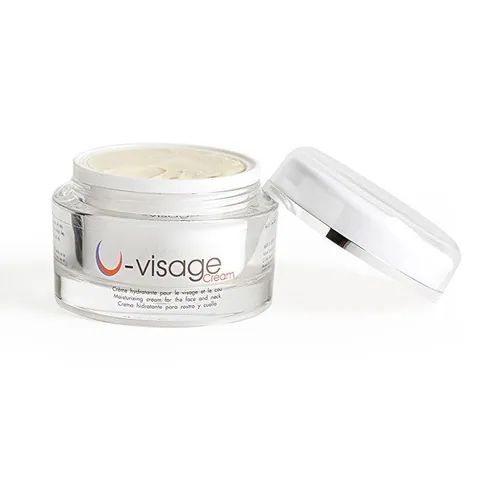
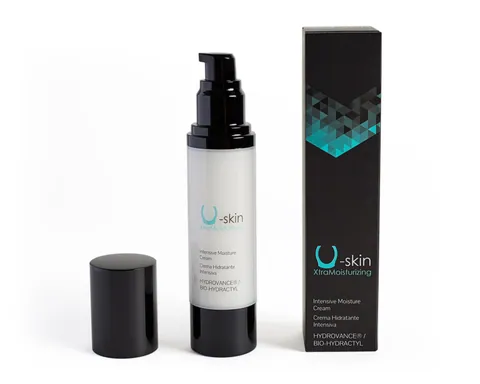
- Moisturiser suited to your skin type.
- Sunscreen every day of the year, including in winter and on cloudy days. This is the step with the most evidence behind it for preventing skin ageing.
In the evening
- Cleansing to remove sunscreen, make-up and dirt.
- Retinoids, such as retinol, which have good evidence for improving texture and fine lines. Start with a low concentration, two or three nights a week, and increase it gradually if the skin tolerates it. It should not be used during pregnancy.
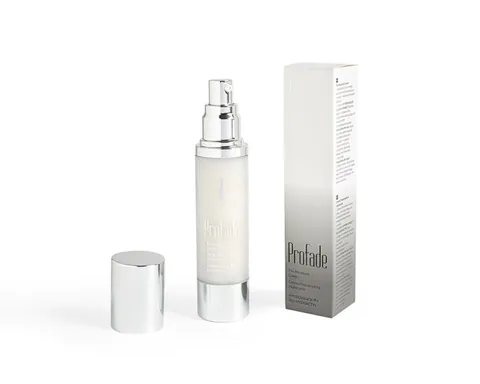
- Moisturiser to strengthen the skin barrier.
Ingredients such as niacinamide, peptides or hyaluronic acid can also be good allies, depending on each skin's needs. Introduce new products one at a time, leaving a couple of weeks between each, so you can tell which one suits you and spot any irritation early.
Habits that care for skin from within
What you do every day matters as much as what you apply. These habits support healthier skin at any age:
- Follow a varied diet with enough protein, fruit and vegetables.
- Do not smoke.
- Cut back on sugar and ultra-processed foods.
- Get the sleep you need.
- Exercise regularly.
- Drink water throughout the day.
Precautions
- Check the source of collagen in supplements: it can come from fish, cattle or pork, which matters if you have allergies or follow a specific diet.
- If you are pregnant, breastfeeding, have kidney disease or take medication, check with your doctor or pharmacist before taking supplements.
- See a dermatologist if a new spot appears, a mole changes shape or colour, or you have persistent issues such as acne or redness.
Consistency over miracles
Skin ageing is a natural process and no product stops it. What is within your control is looking after it well and protecting it from the sun so it stays healthy. Consistency and realistic expectations are, in the long run, what makes the biggest difference.
In our facial care category you will find products to round out your daily routine. If you have sensitive skin or are unsure what suits you, check with your pharmacist or dermatologist.